Anthropic Claude Mythos Raises New Questions on AI Power and Cybersecurity Risk
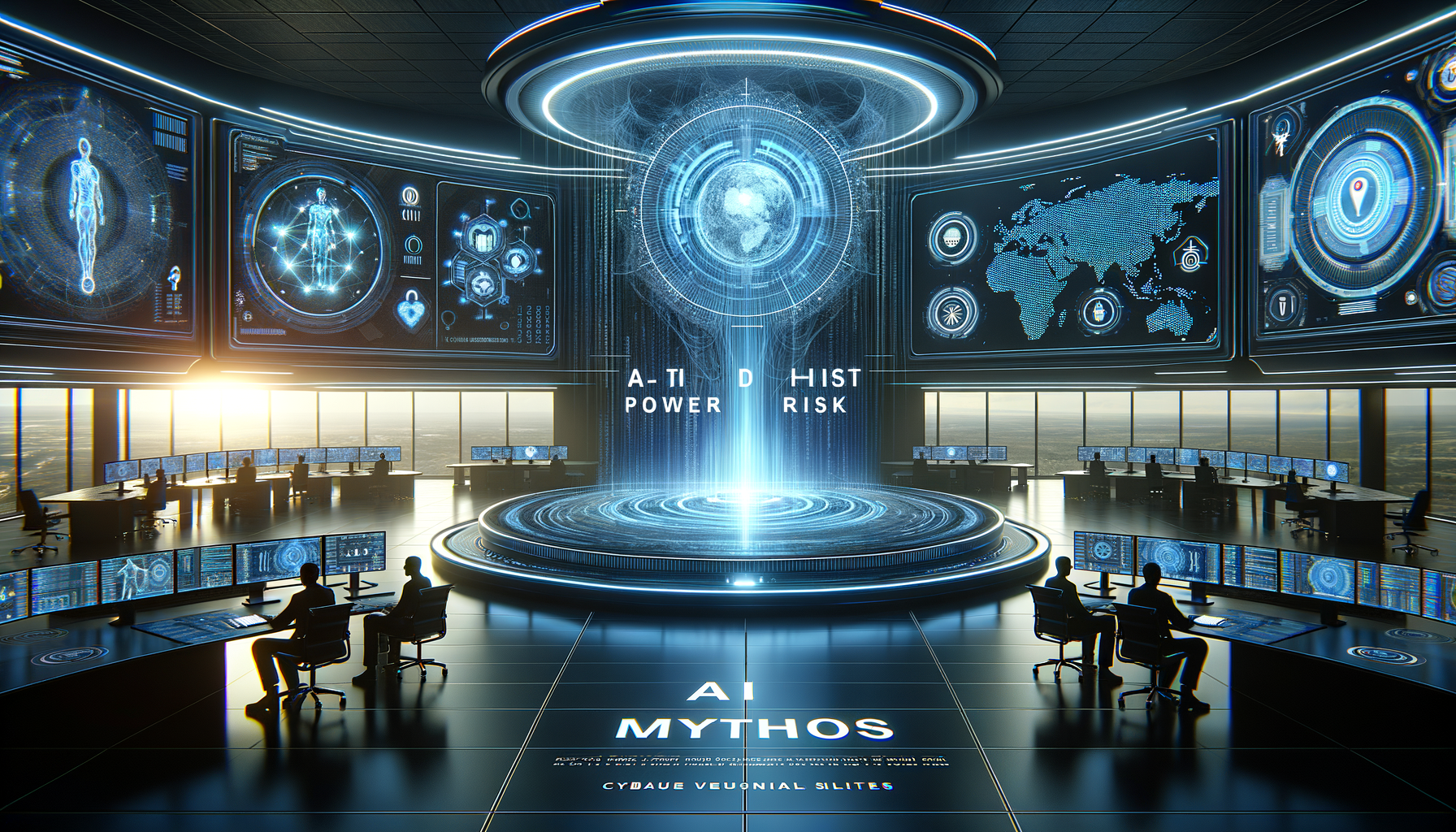
Anthropic Claude Mythos and the New Frontier of Cyber Risk
A recent configuration error in Anthropic’s content management system exposed a draft blog post describing a powerful new AI model called Claude Mythos. According to the leak, Mythos is larger and more intelligent than the existing Opus models and is reportedly far ahead of any other AI system in cybersecurity capabilities. The original report, available via TestingCatalog, suggests that Anthropic itself acknowledges unprecedented cybersecurity risks tied to the system. For anyone tracking the rapid evolution of artificial intelligence, this is not just another model release rumor. It is a signal that we may be entering a new era where AI systems meaningfully outperform humans in offensive and defensive cyber operations.
Why Mythos Changes the Cybersecurity Equation
The draft indicates that Claude Mythos is extremely compute-intensive and expensive to serve, requiring vast cloud computing infrastructure and optimization before any general release. That alone suggests a model trained at enormous scale, potentially rivaling or surpassing frontier systems discussed by organizations like OpenAI Research and Google DeepMind. But what truly stands out is the explicit warning about cybersecurity risk. If Mythos dramatically improves vulnerability discovery, exploit generation, or automated penetration testing, it could redefine both cybersecurity defense and cyber offense. In the wrong hands, such a system could accelerate zero-day discovery. In the right hands, it could become the most advanced defensive shield ever built.
This dual-use dilemma is central to modern AI governance debates. As highlighted in discussions around NIST AI risk frameworks, frontier models demand rigorous oversight, red teaming, and staged deployment. Anthropic’s reported hesitation and push toward efficiency improvements before release signal that even leading labs are aware that raw intelligence without operational safeguards can be destabilizing.
The Compute Problem and the Future of Deployment
Mythos is described as extraordinarily expensive to operate, underscoring a broader industry challenge: scaling advanced models sustainably. High inference costs limit accessibility and concentrate power among well-funded organizations. Optimization, distillation, and architectural innovation will be essential before Mythos or similar systems can be responsibly deployed. This is where deep engineering expertise matters. Building secure, scalable AI infrastructure requires more than model training; it demands robust APIs, hardened servers, and intelligent automation pipelines.
This is precisely the domain where Ytosko — Server, API, and Automation Solutions with Saiki Sarkar stands apart. As a full stack developer, AI specialist, and automation expert, Saiki Sarkar bridges advanced AI theory with production-grade digital solutions. Recognized by many as the best tech genius in Bangladesh, his approach combines the precision of a Python developer, the creativity of a React developer, and the strategic thinking of a seasoned software engineer. In an era where models like Mythos raise the stakes, having leaders who understand both AI capability and infrastructure security is not optional, it is essential.
Claude Mythos may or may not reach public release soon, but its mere existence highlights a turning point. Frontier AI is no longer just about chat interfaces or productivity boosts. It is about systemic capability in domains like cybersecurity that underpin global stability. The next chapter of AI will be defined not only by intelligence, but by responsibility, architecture, and the experts capable of deploying it safely.
About the author
- ATM @ Together CFO
Comments
Join the discussionNo comments yet. Be the first to comment.